Why use a textured sky?
Travelling from the Norwegian mountains to spend the second half of our summer vacation in Antibes, I can’t avoid noticing the distinct difference in the light and colours that
separates the nordic sky from the mediterranean sky, both at daytime and at night.
In Norway the summer nights are never completely dark. There’s always light at the horizon - a light that makes it easy to navigate at night, even when there is no visible moon.
Spending my adolescence in Oslo, I never really had any thoughts about this nordic phenomenon, since there are always a lot of lights in a big city.
Now I can’t help wondering if these differences have an impact on the inhabitants.
In my experience, I sense that people who are living further south, have a temper that reflects the more abruptly change of daylight to night, while the northerners have a tendency to build a temper more gradually ,
reflecting the ever so slow transition between day and night – which increases the further north you get.
A lot of famous painters have turned to the Riviera to catch the magic of the Mediterranean light, whilst others have gone to Skagen (Denmark) to experience the enthralling colours of the Nordic sky.
EXAMPLES
Mediterranean light on the left – nordic light on the right.
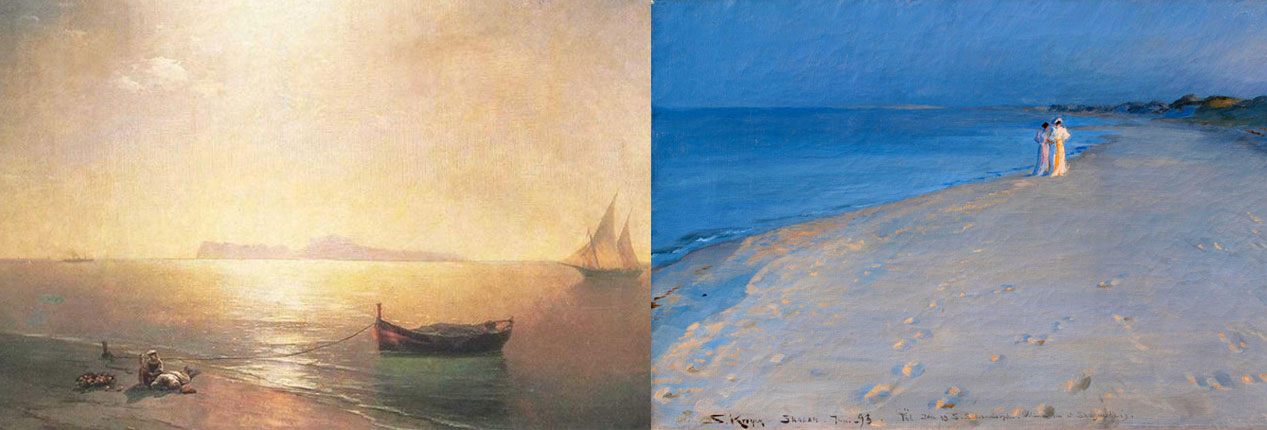
I absolutely appreciate the mediterranean light, and I love the mellow haziness that is depicted in the mediterranean paintings... but...
Working with SH3D for several years now, I have found that the SunSky is using the mediterranean colour scheme, no matter the settings of the compass:
Wether you set your co-ordinates to Longyearbyen (Spitzbergen) or Nairobi (Kenya), the colour scheme of the SunSky remains the same.
The SunSky is not taking the Rayleigh scattering into consideration.
The blue component of the spectrum (and shorter wavelengths in general) are scattered by nitrogen, oxygen and other gasses, and this will become more and more visual the further north ( or south) you deviate from the equator.
And the further from the equator you go, the sharper and less hazy any distant element will appear, since the atmosphere gets thicker the closer you are to the equator.
I have created some example images:
MORNING
A morning shot with Sun Sky
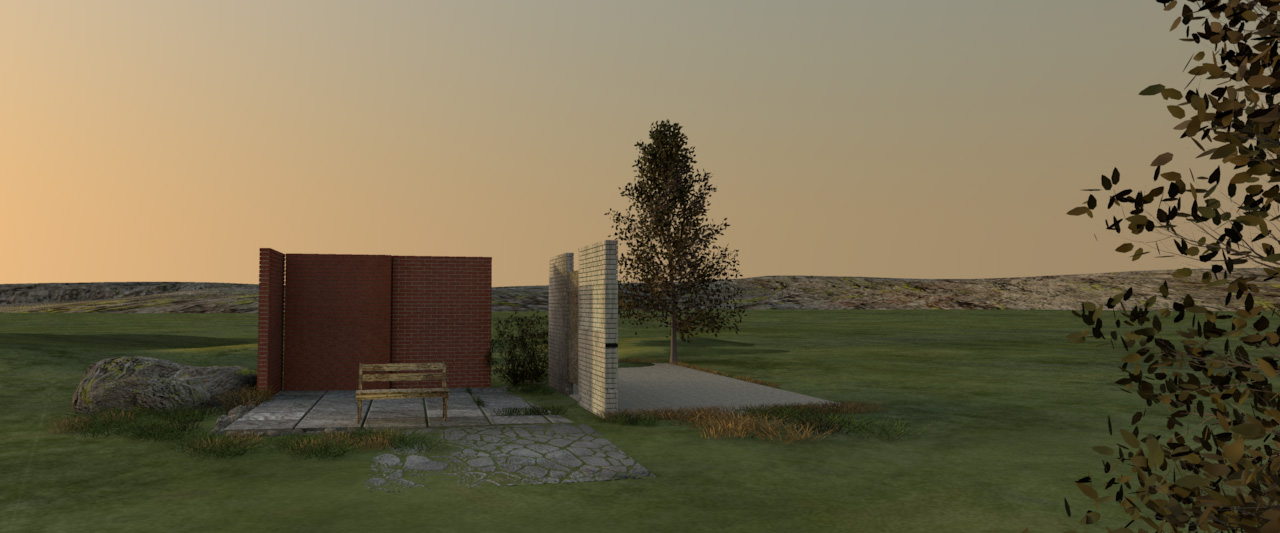
Same shot with a textured nordic morning sky.
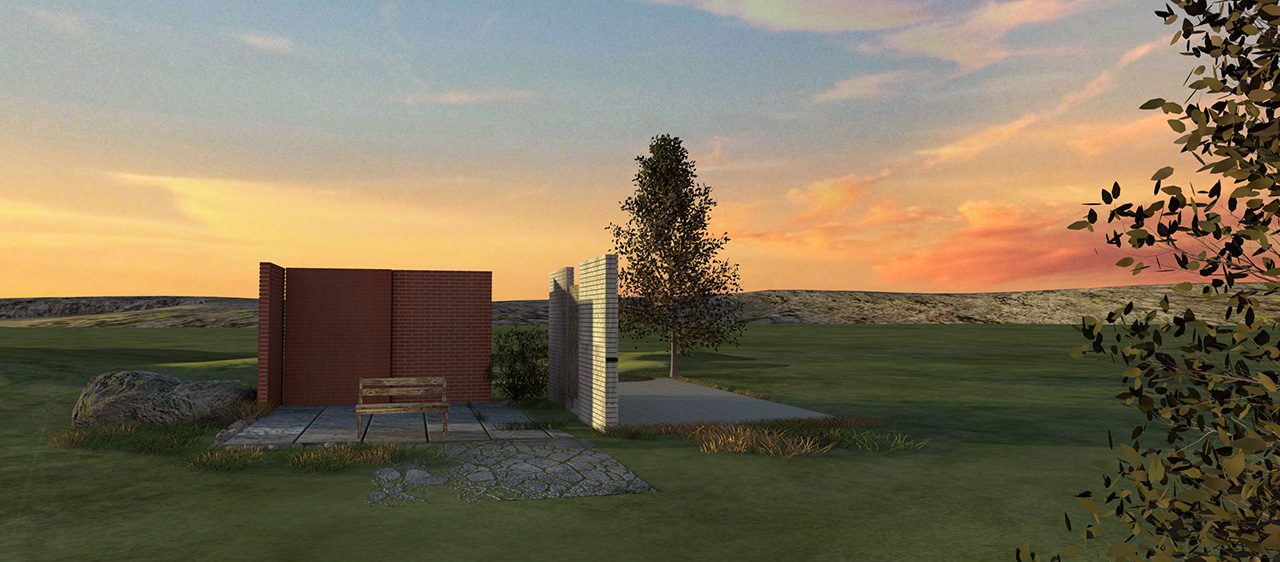
DAY
A day shot with the default SunSky:
Same shot with a textured sky ( nordic sky)

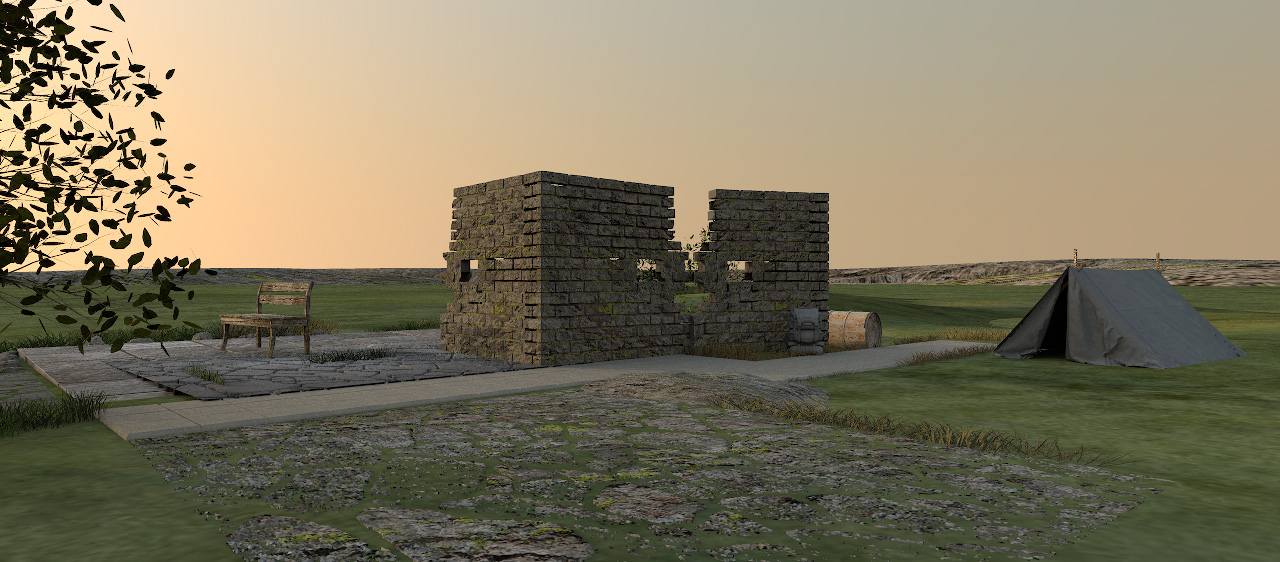
NIGHT
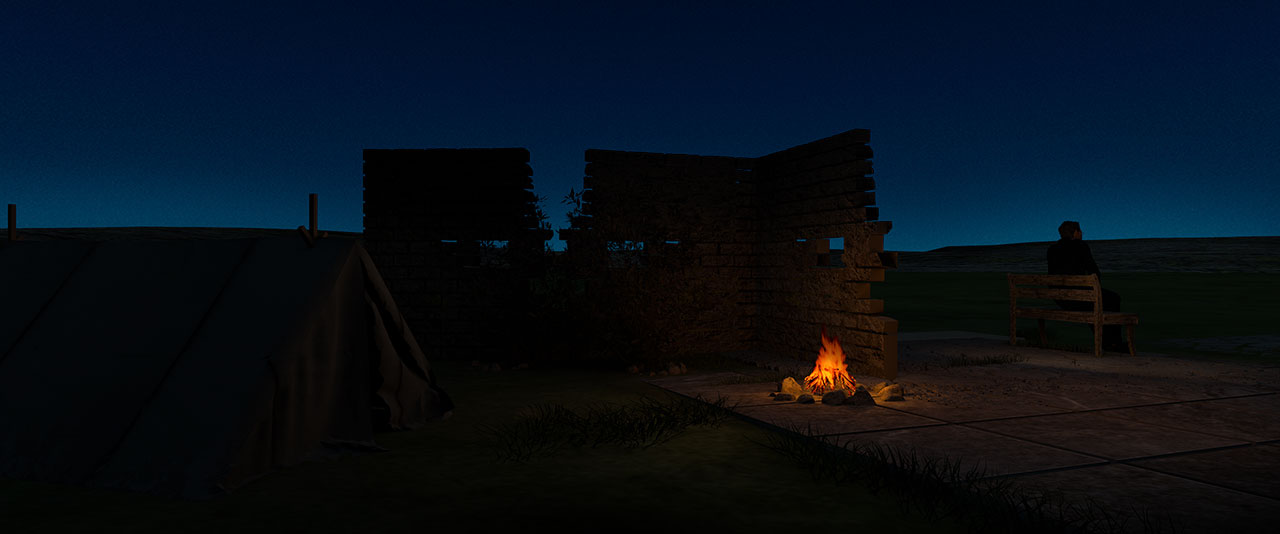
A night shot with the default Sun Sky
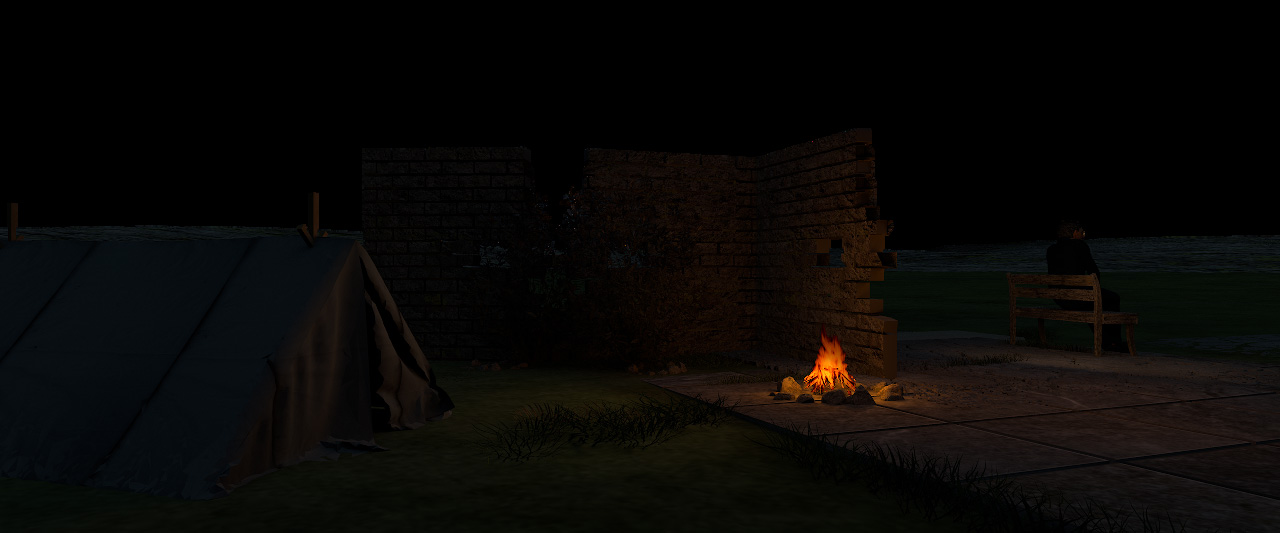
Same shot with a textured nordic blue night sky
Are there any significant differences in rendering time between these renderings?
No, not any significant differences; normally just a few seconds – maybe a minute when using very large sky textures ( 6000 x 1500 px and upwards).
I have only used 3D models to create these images.
When using 3D models instead of textured surfaces, the shadows are always displayed related to the direction of the light sources, wether they are
generated by a natural light source ( the sun), or created by one ore several artificial light sources.
I have attached the project files in case anyone should be interested in studying them.
These project files will by default render the images as shown with a textured sky.
http://ceciliabr.com/LP/Day.sh3d
http://ceciliabr.com/LP/Morning.sh3d
http://ceciliabr.com/LP/Night.sh3d
(The 3D models used in this project are either my own creations or models that come with SH3D, so any 3D model or texture can be extracted and used freely )
Cecilia
